Facelift
Think of your face like a building, an external facade supported by an internal framework. Just like the building’s facade, your skin will weather with age. But this is only half of the story. As time goes by, the internal framework of your face—a structure that plastic surgeons call the SubMusculoAponeurotic System (SMAS for short) will also weaken.
As you age and your skin is exposed to environmental factors like sun, cigarettes, weather, it loses elasticity. These changes, combined with the damage from constant facial animation, result in fine lines and wrinkles. The deeper furrows around your mouth and eyes are the result of changes in the muscles and connective tissue in the SMAS plus the loss of fatty layers of the skin.
Are you ready for a facelift? Ultimately that’s a complex personal question that only you can answer. But there’s a simple test that you can perform that will help you to judge the elasticity of your skin: Look in the mirror. Give a big smile and place your finger on the highest point of your cheek, holding the soft tissue in its new position. Now relax your face again. If you see a dramatic change in the jaw line, marionette lines, or cheek fullness, your SMAS has started to sag and you’d probably benefit from a lift.
-
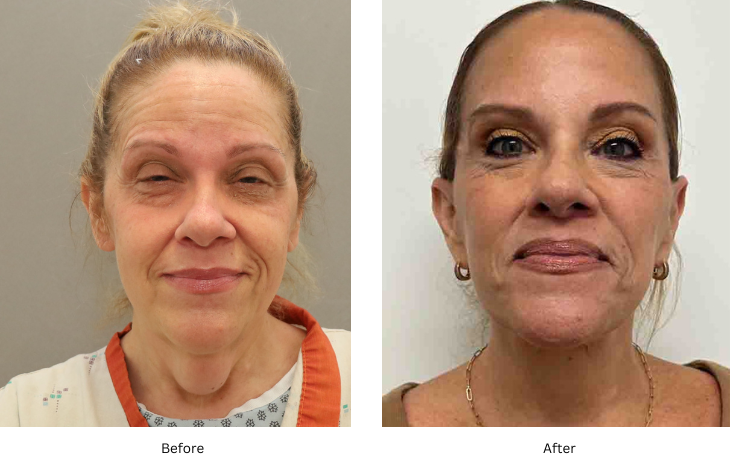
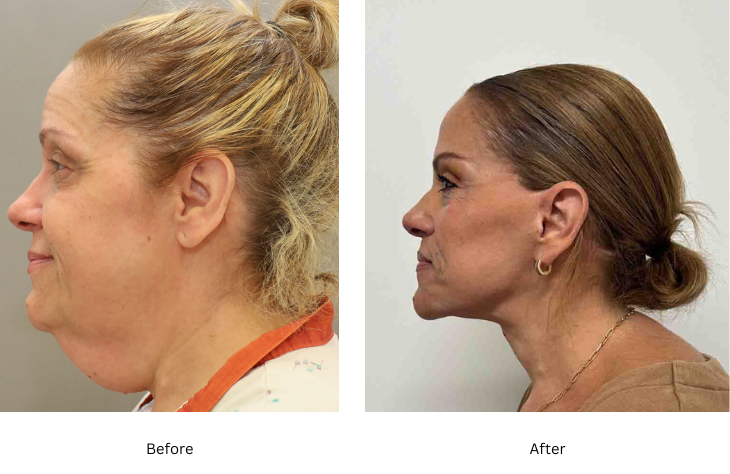
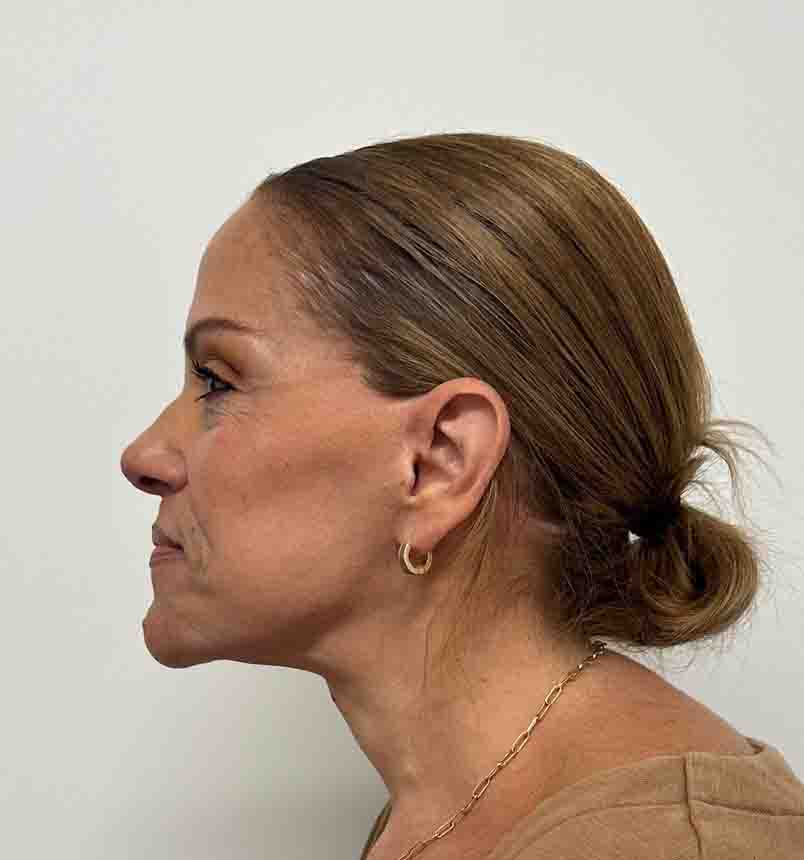
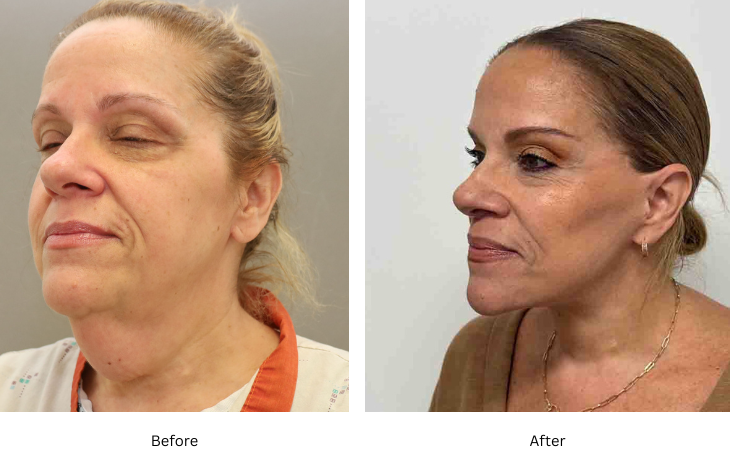
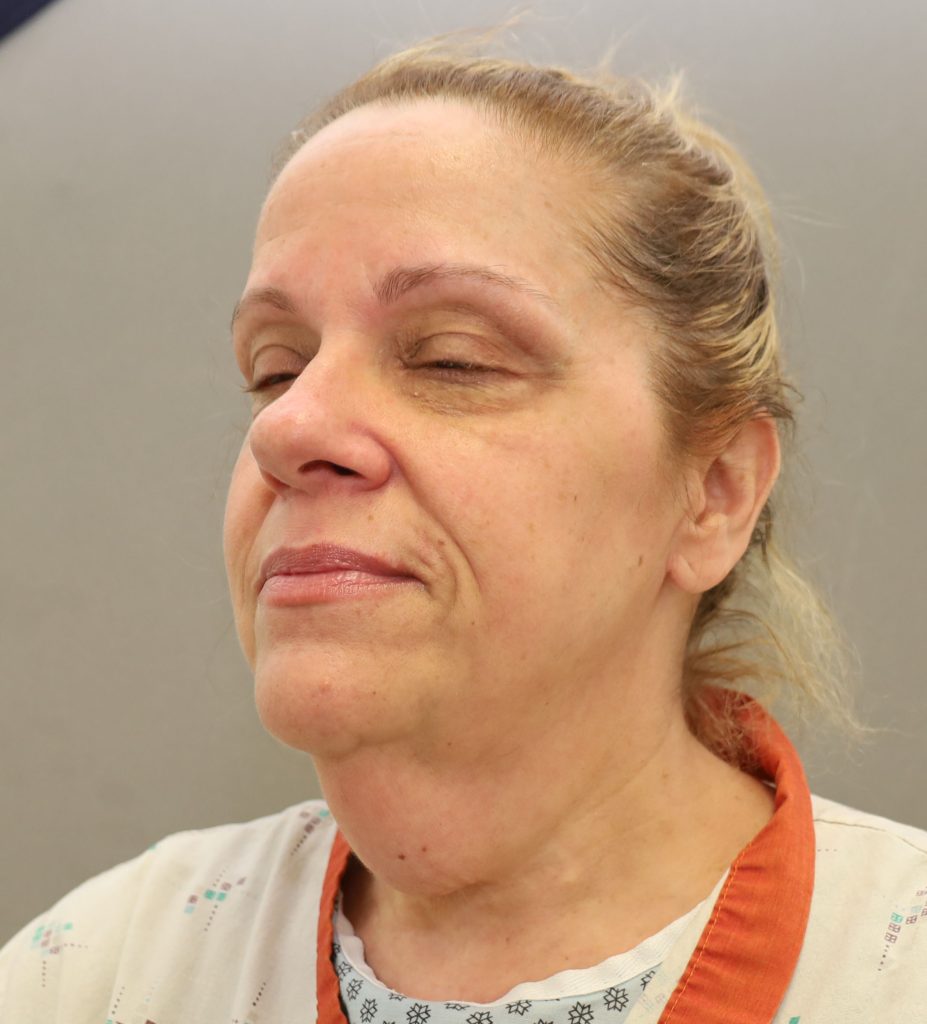
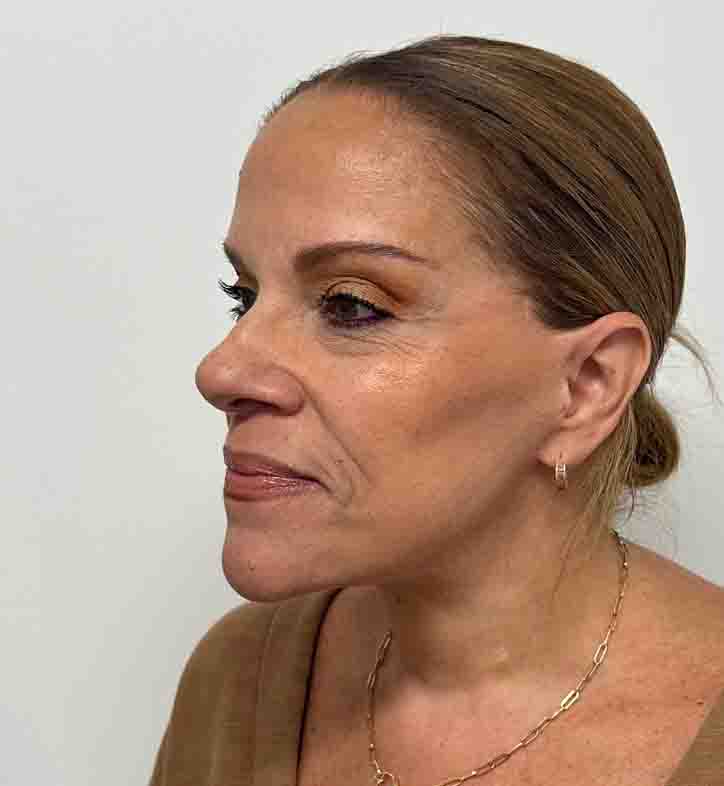
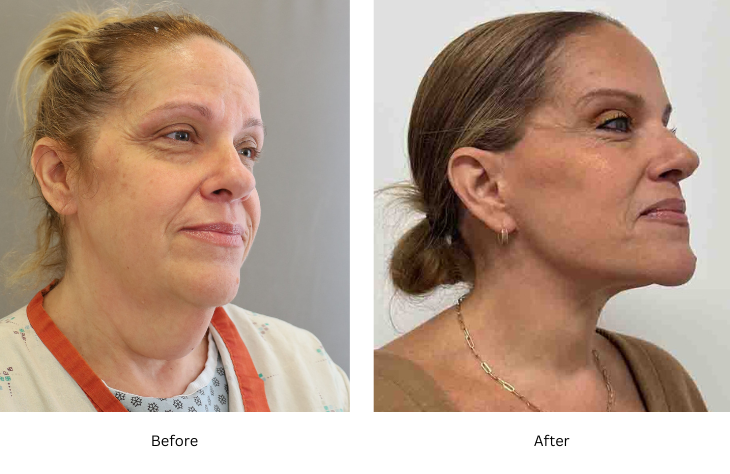
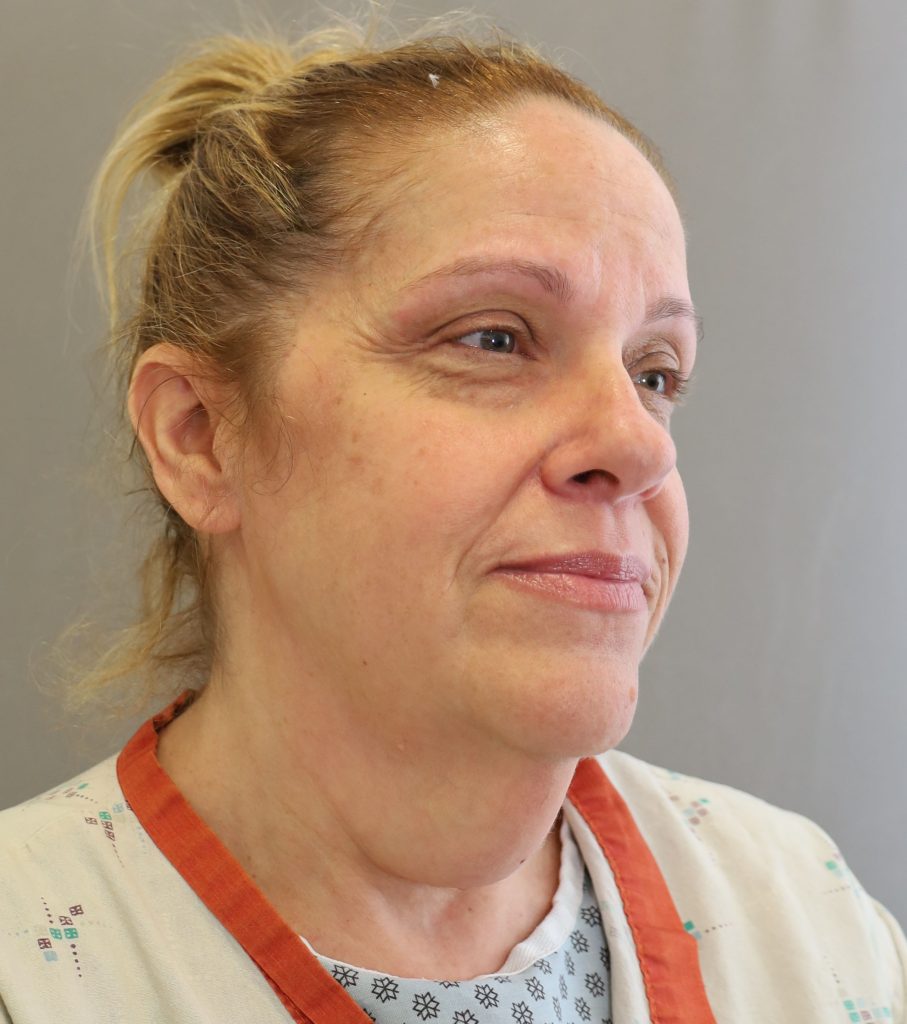
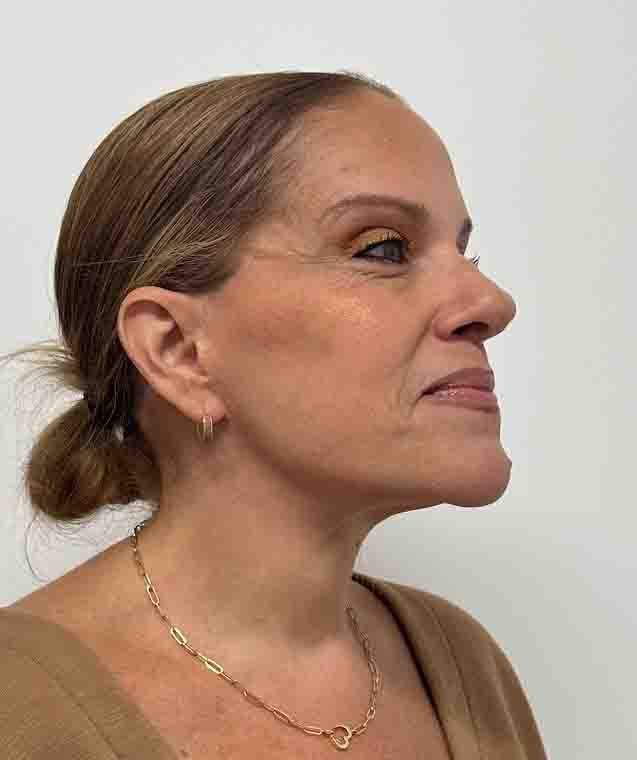
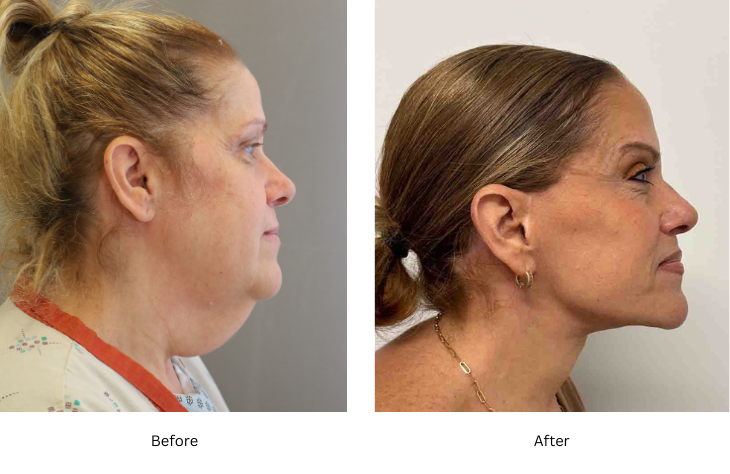
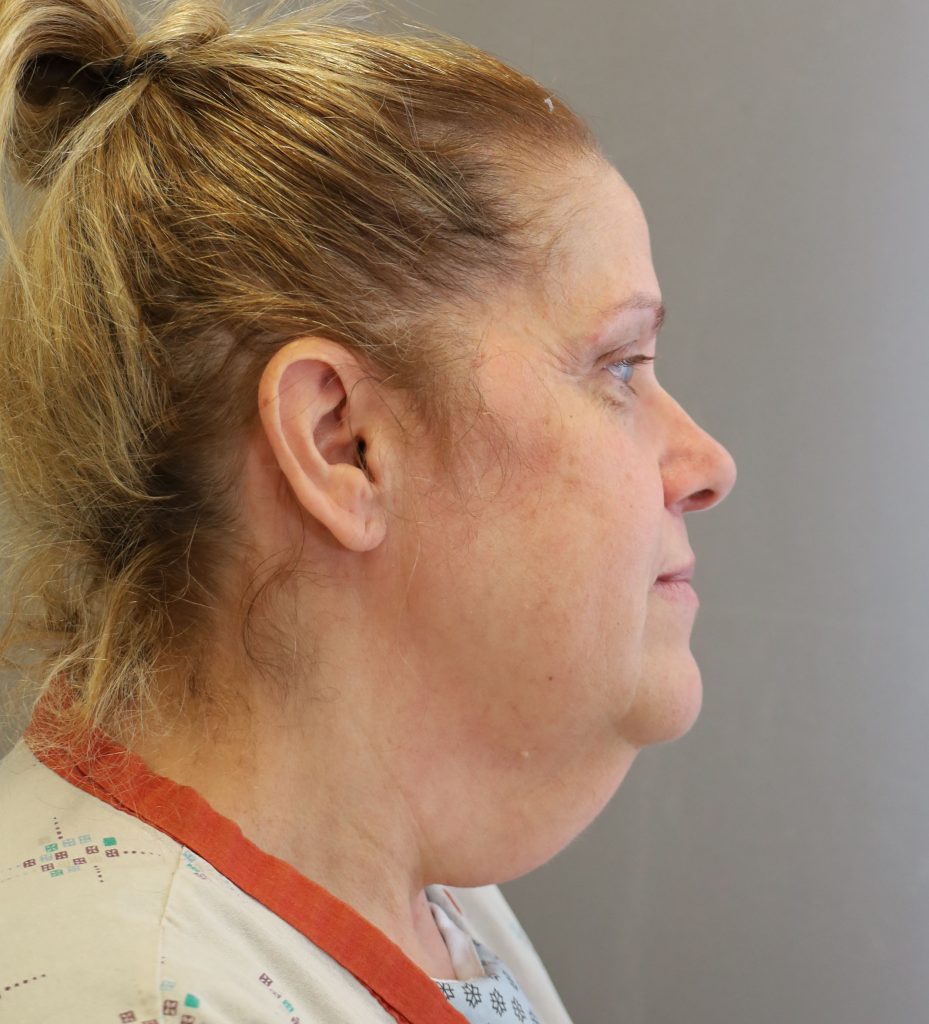
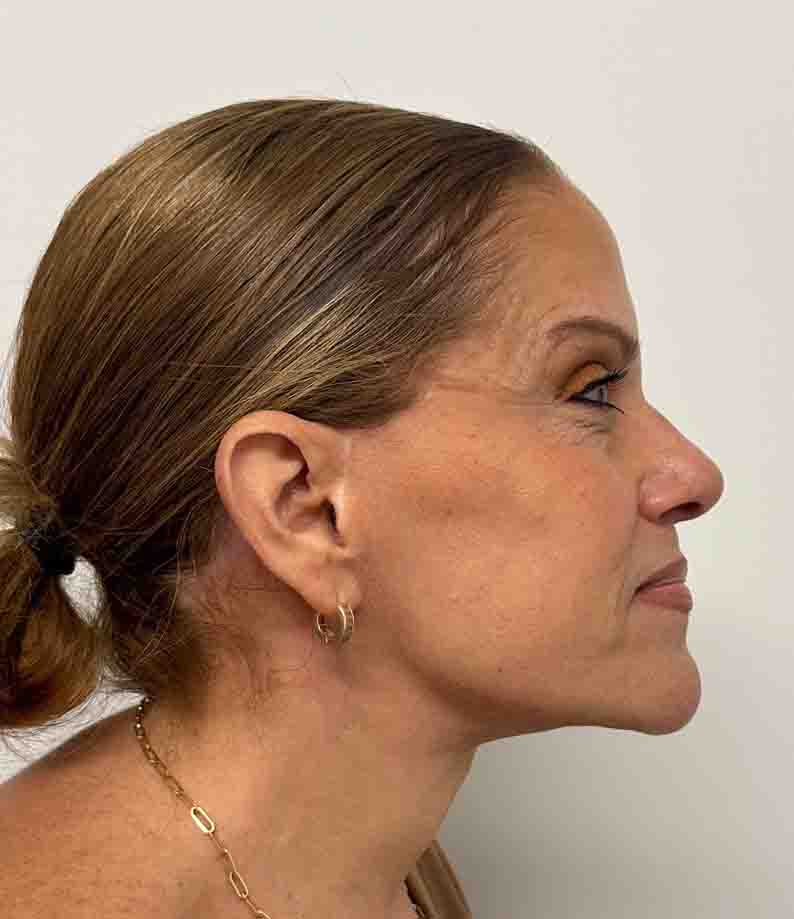
Click here to view before & after photographs
Frequently Asked Questions
I want my face to look natural—refreshed—after my facelift, not pulled tight and windblown. How can you ensure I look natural?
The tighter you pull the skin, the more tension will be transmitted to the structures to which it is anchored. This distortion can result in wider scars, and shinier, glass-like skin.
This is why removing any excess skin must be done in a way that doesn’t apply too much tension to the skin or the surrounding structures. This is where many physicians overdo it.
What do you do to minimize scarring?
Where possible I perform a Short-scar or limited scar facelift. Even though the key to a natural-looking facelift is the rearrangement of the SMAS layer, excess skin must be removed. For some lucky patients, that amount of skin is small and it can be removed by making an incision around the ear without going behind the ear. This is the Short-scar facelift.
For other patients, especially those with excess skin in the neck, the incision will need to extend behind the ear to the back of the scalp. To minimize this scar, I have developed a technique that places the scar at the top of the ear, making it less visible.
What is the typical recovery time?
My expertise as a surgeon in conjunction with our advanced equipment allows you to go out and live your life shortly after surgery. Neck lift and brow lift patients can return home in as little as three to five days; facelift patients need slightly longer, ten days to two weeks.
What about fillers?
Some loss of fat in the face cannot be corrected by a facelift. In those cases I like to transfer fat from some other part of the body to the face. It’s natural and easy to execute. I have been a proponent of fat transfer for 10 years and have recently been awarded patents for my own fat transfer system. This new system, The Viafill System, will provide a large volume fill and make you look years younger.
I have a lot of fine lines. Do I need a lift?
Not necessarily. Fine lines are best erased by chemical peels, dermabrasion or laser resurfacing or fillers.
Many physicians focus solely on surgery without addressing the whole face or the whole body. To create seamless care for my patients, I have brought together the best nutritionists and aestheticians to create a system of nutrition, exercise and surgery that will help you to maintain the most youthful looking skin possible. When you become my patient I treat the whole of you. I am making my total skincare program available to the public in my new book “A More Beautiful You” out in November, 2009.